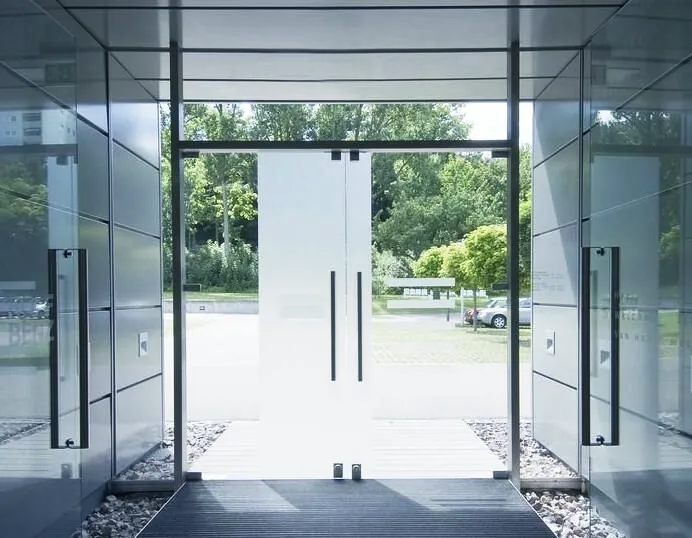
Yes. Glass doors can be frosted or tinted for privacy. Frosted privacy glass is one of Diamond Step's standard glass door finishes, alongside frameless, pivot, and sliding options, so it's a specification choice rather than a separate product. Frosting and tinting both add privacy without shutting out natural light the way a solid door or a blind would.
Frosted vs Tinted Glass
Frosted glass is etched or coated so light passes through but a clear image doesn't. A room behind a frosted door still feels bright, since the glass isn't blocking light the way a solid panel would. It's blocking the view through it, not the light itself.
Tinted glass works differently. It adds a colour cast to the pane rather than obscuring the view entirely, which cuts down glare and visibility but to a lesser degree than frosting. A tinted door softens what's visible through it; a frosted door removes a clear image almost completely while keeping the space feeling open.
Both finishes use the same toughened safety glass and hardware (frameless, semi-frameless, or framed, hinged, pivot, or sliding) as Diamond Step's standard glass door range. Choosing frosted or tinted glass is a finish decision made at the specification stage, not a change to the door's structure or hardware.
Where This Works Best
Bathroom and ensuite doors are the most common application, since full privacy is needed but a solid door would close off light from an internal room. A home office or study door benefits the same way, visible activity without the room feeling sealed off from the rest of the house.
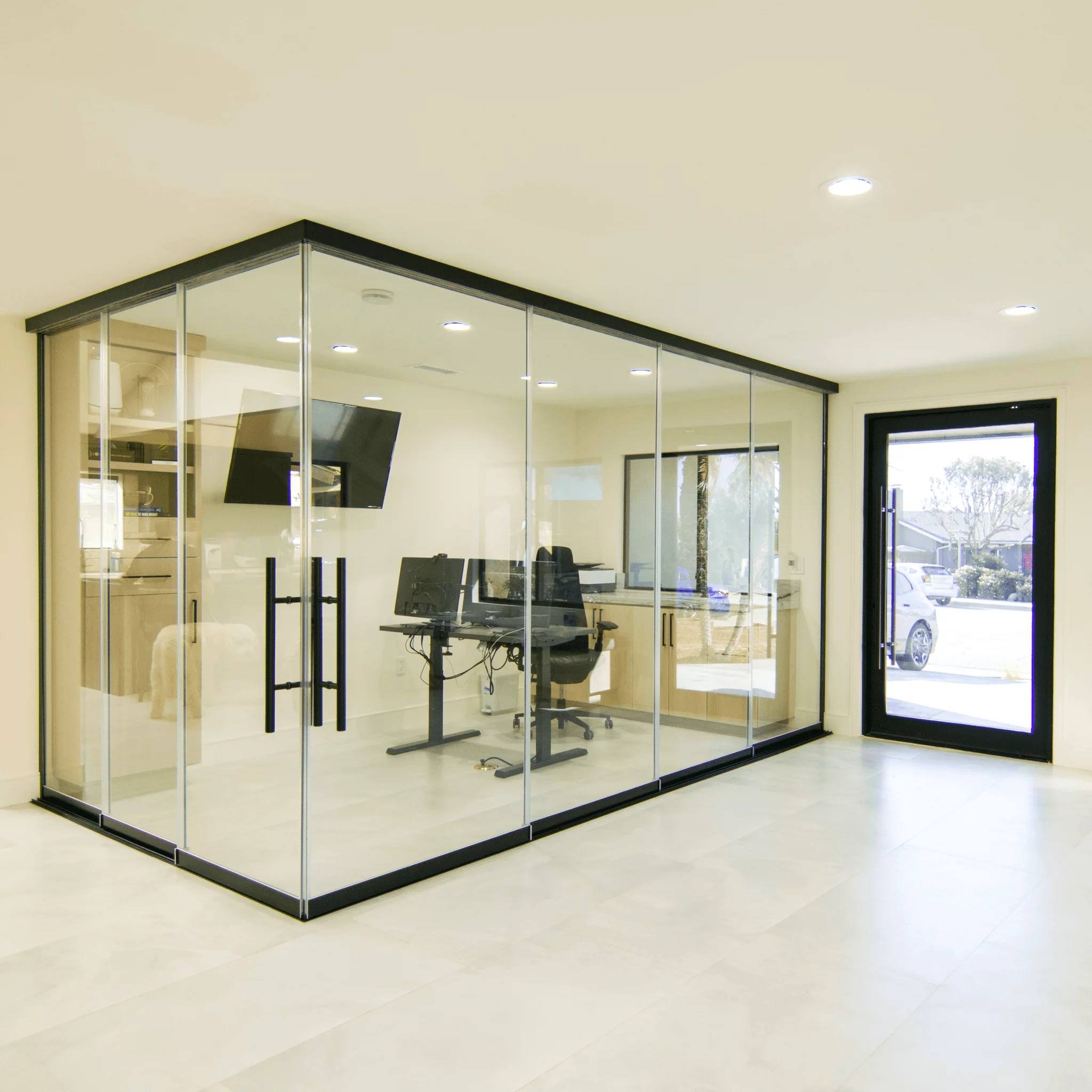
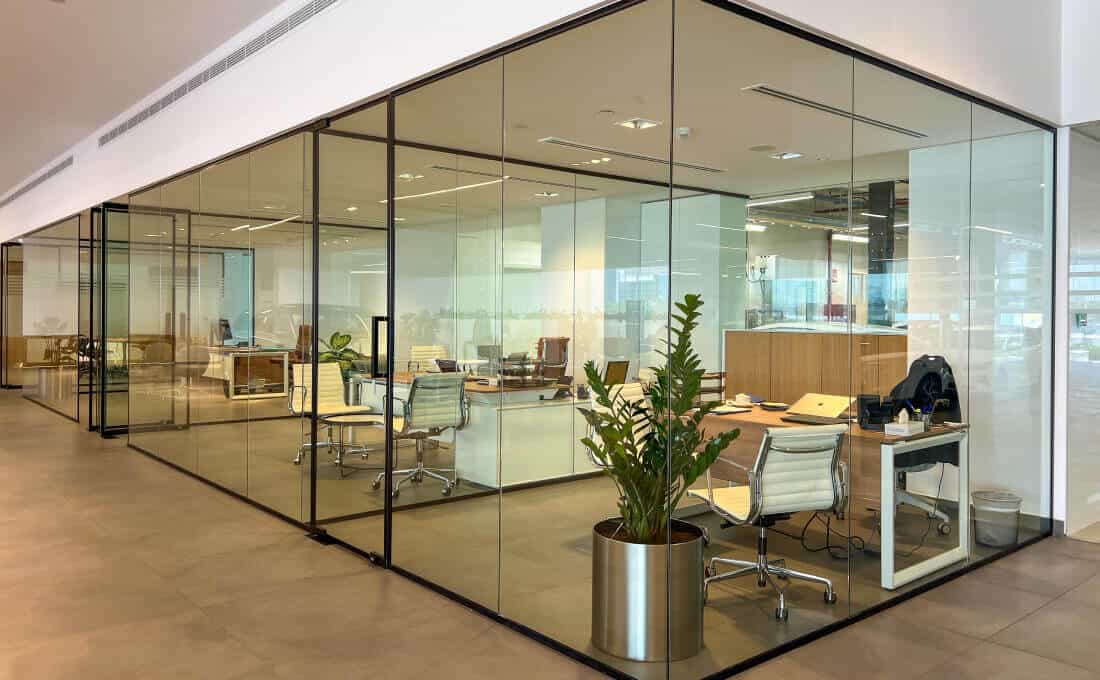
Internal office doors are another regular use case, particularly where a space needs a visual divide without becoming fully closed off from the rest of the floor. Frosting doesn't have to cover the whole pane here. A partial band or pattern at eye height gives a visual barrier while leaving the rest of the door clear.