A mirror wall is one of the most functional upgrades you can make to a home gym or fitness studio: it lets you check form on every rep, makes a small room feel larger, and bounces natural or overhead light back into the space. Home gyms are now a standard feature in UAE villas and apartments alike, and a properly installed gym mirror wall is a fast, high-impact addition to one. This guide covers what to consider before fitting one, glass specification, sizing, and mounting method.
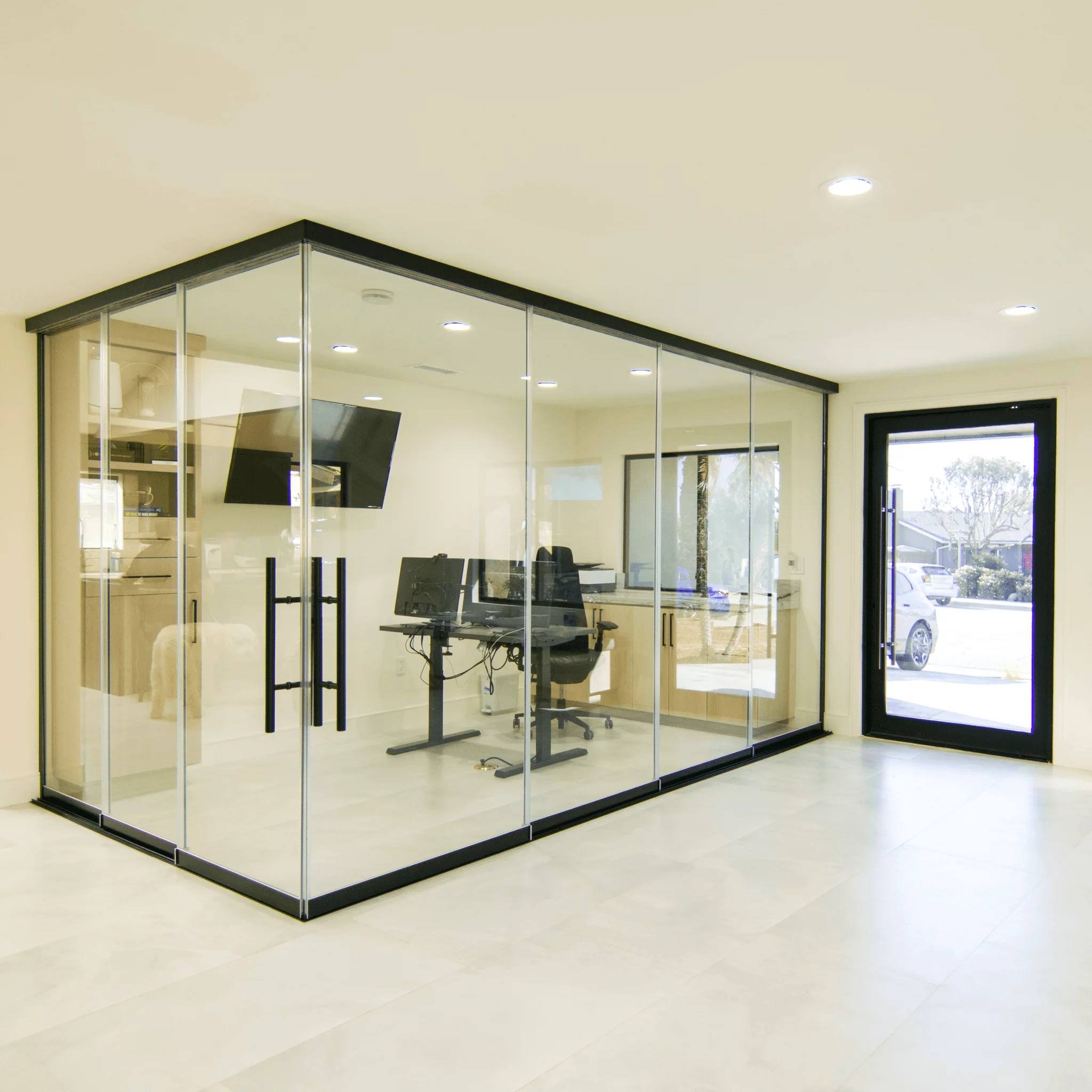
Placeholder image. Real gym mirror installation photos will be added here.
Glass Specification for Gym Mirrors
A gym mirror takes far more punishment than a bathroom or hallway mirror, dropped weights, knocking equipment, and constant daily contact. The specification is built around that:
- 6mm silver-backed mirror glass, the standard for fitness walls. Rigid enough to hang flat without waving or distorting the reflection across a large panel.
- Safety backing film, applied as standard on every gym installation. If the glass is ever cracked or struck, the film holds the pieces together instead of letting them shatter loose.
- Polished, eased edges. Every visible edge is ground and polished smooth, important on a wall people train close to.
How Much Wall to Mirror
For a functional training or free-weights area, mirror the full width of the wall you face during exercises, running from around 30cm off the floor to at least 2.1m high, tall enough to see full form on squats, deadlifts, and overhead pressing movements. Most home gym rooms only need the one main wall mirrored; larger studios or multi-purpose rooms often mirror two adjoining walls, which opens the space up visually as well as functionally.
How Gym Mirrors Are Mounted
Large mirror panels are never hung on adhesive alone. We fix each panel using a combination of mirror-safe mastic adhesive and a mechanical base channel or clip system that physically carries the weight of the glass, the adhesive bonds the panel to the wall, the mechanical fixing stops it sliding or falling. Multiple panels are aligned edge-to-edge with a tight, polished seam, so a wall built from several panels reads as one continuous mirror rather than a row of separate ones.
Home Gym vs Commercial Studio Mirrors
The core specification (6mm glass, safety backing, mechanical fixing) is the same for both. What changes is scale and layout: a home gym typically needs a single wall measured to the room, while a commercial studio often needs multiple walls, mirrored columns, or mirror behind reception and training areas, planned around the existing equipment layout and sightlines. Either way, we template the space on site before fabrication, so the panel layout is set to your room rather than a standard sheet size.
Keeping Gym Mirrors Looking Sharp
Clean with a standard glass cleaner and a lint-free cloth or squeegee, and avoid ammonia-heavy products on any mirror with a safety backing film. They can degrade the film's adhesive over time. In a busy gym, wipe down sweat and hand marks daily to stop streaking building up, and check the mounting clips periodically on high-traffic commercial installations.