A safety barrier at a balcony, staircase, or pool edge has to meet the same height and structural requirements whether it's built from glass or from metal and timber. Glass balustrades and traditional railings both satisfy that requirement. What changes is what happens to the view once the barrier goes in, and how much upkeep it needs afterwards.
What Each System Looks Like
Traditional railings (metal spindles or timber posts) use multiple vertical or horizontal members spaced closely enough to meet safety height requirements. Each of those members visually breaks up whatever is behind it, whether that's a pool, a garden, or a staircase void.
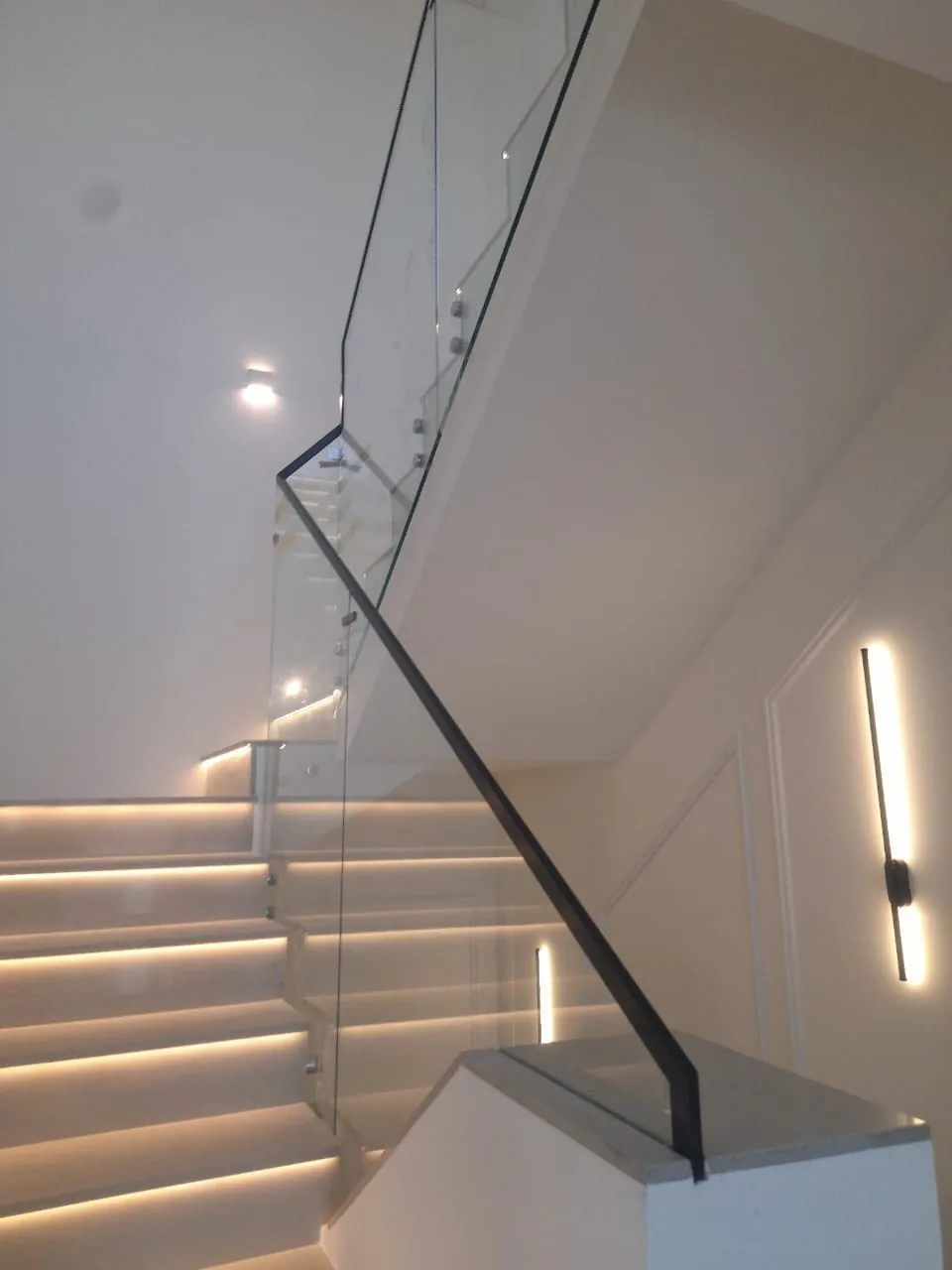
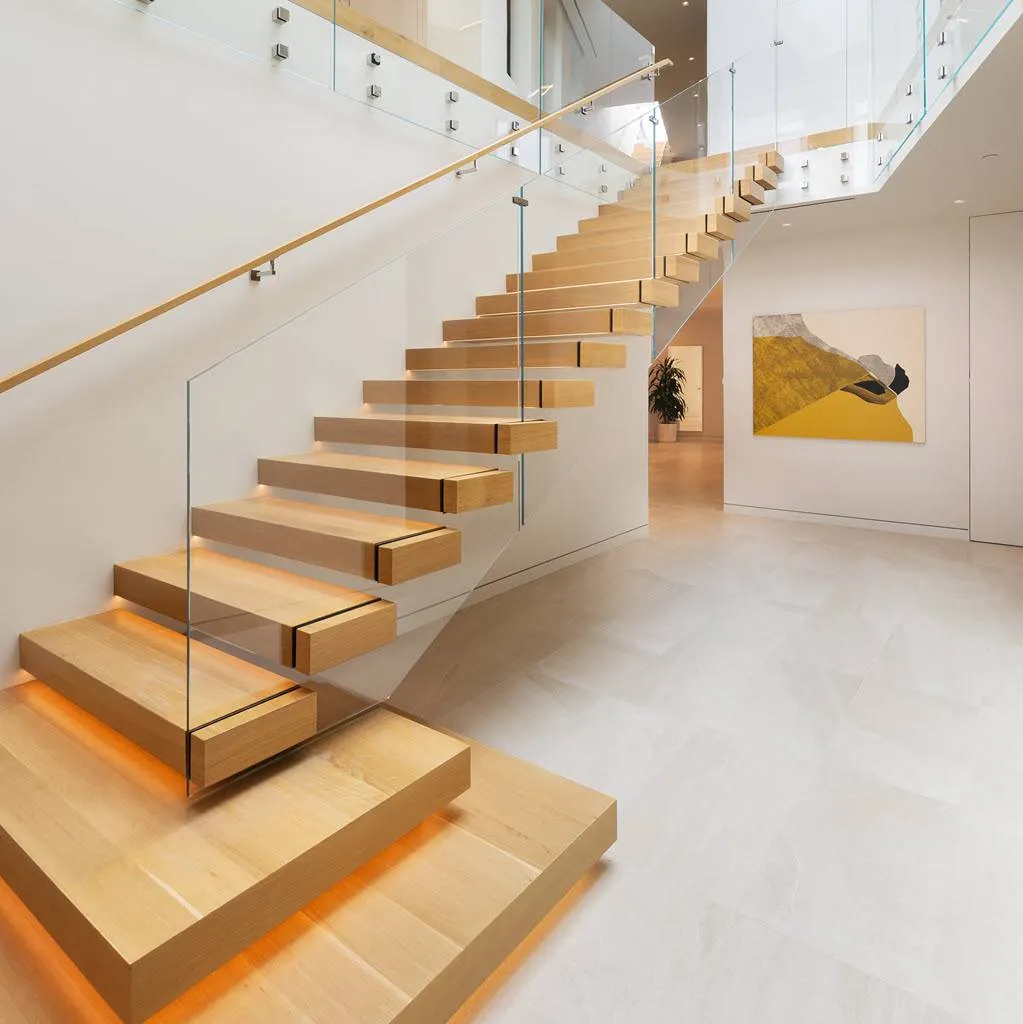
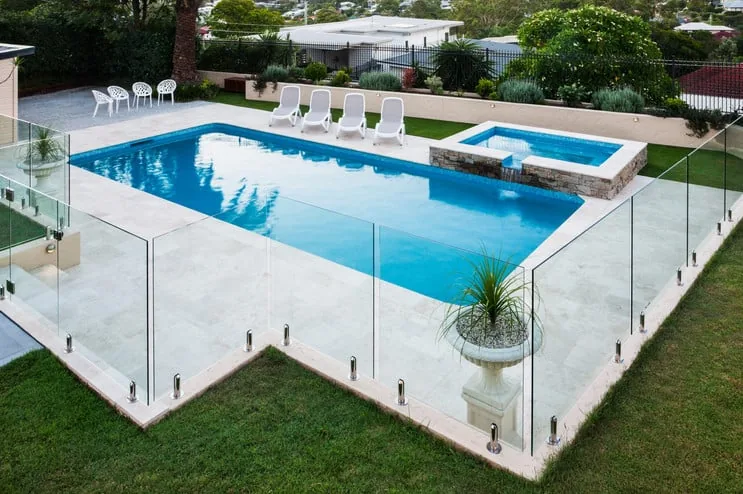
Frameless or minimally-framed glass balustrades use large toughened glass panels instead of a series of spindles or posts. The same safety barrier is achieved without the visual obstruction, so the view through a pool edge, staircase, or balcony stays largely uninterrupted.
Maintenance & Fabrication Differences
Glass balustrades need less upkeep in one specific sense. There's no paint or timber sealant to reapply over time. They do need regular cleaning to stay looking clear, since fingerprints, dust, and water marks show up more visibly on glass than on textured metal or timber.
Metal and timber railings are generally simpler and faster to fabricate off a standard design. Glass balustrades are measured and cut to the specific opening, because there's no frame to hide a sizing error. The fabrication has to be precise from the start.
Both systems meet the same UAE structural safety requirements when specified correctly for the application, whether that's a pool edge, a staircase, or a balcony. The difference between them is aesthetic and maintenance-related, not a safety trade-off. Whichever route suits the property, our balustrade and railing service in Dubai covers both systems.