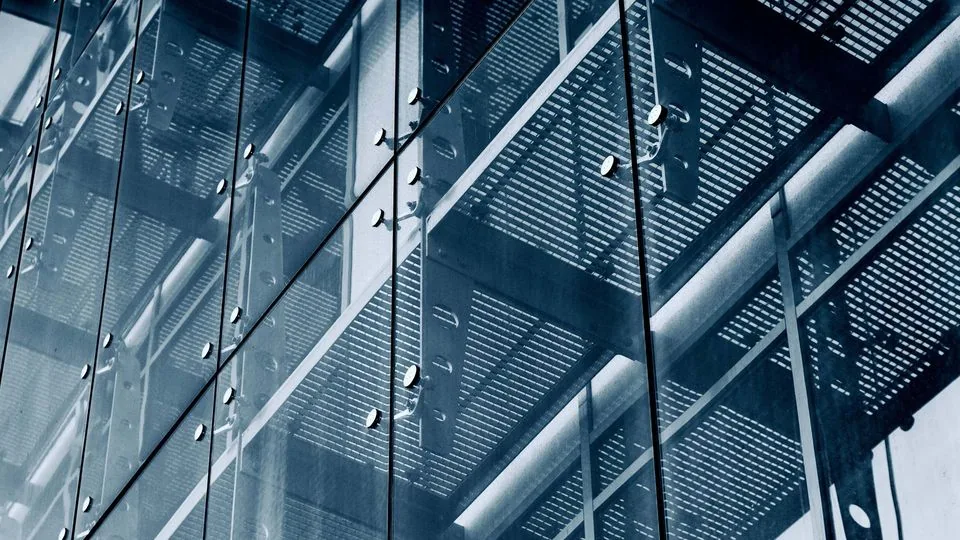
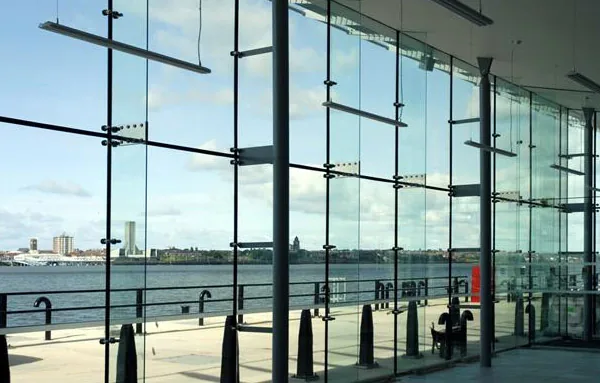
Curtain wall is a glazed structural wall system; ACP cladding is a solid aluminium panel finish. Both show up on the same commercial buildings across the UAE, and both are aluminium-based, but they solve different problems, one forms the building's actual outer wall, the other dresses an existing structure.
What Each System Actually Is
Curtain wall is a structural glazing system, an aluminium-framed grid of mullions and transoms holding glass panels that forms the building's actual weather-tight outer wall. It's transparent by design, and it carries its own weight while transferring wind and facade loads back to the building's primary structure.
ACP (aluminium composite panel) cladding is a solid, largely opaque finish. Flat aluminium composite panels are fixed to a substrate over the building's existing structure, used to change or protect a facade's appearance rather than replace the wall itself. Where curtain wall lets light through, ACP cladding covers and seals a surface.
Fire safety specification differs between the two in practice. ACP panel core type (PE versus FR) is a specific, regulated choice, while curtain wall glazing has its own separate fire and structural requirements.
When They're Used Together
The two systems are often combined on the same building. Curtain wall covers the transparent glazed sections, while ACP cladding handles solid spandrel panels, parapets, or feature bands between glazed floors.
Curtain wall is fabricated and installed as part of the building's structural envelope, typically specified during new construction. ACP cladding is more commonly a renovation or finishing layer applied to an existing facade, though it's specified on new builds too, particularly for solid sections that don't need to be glazed.