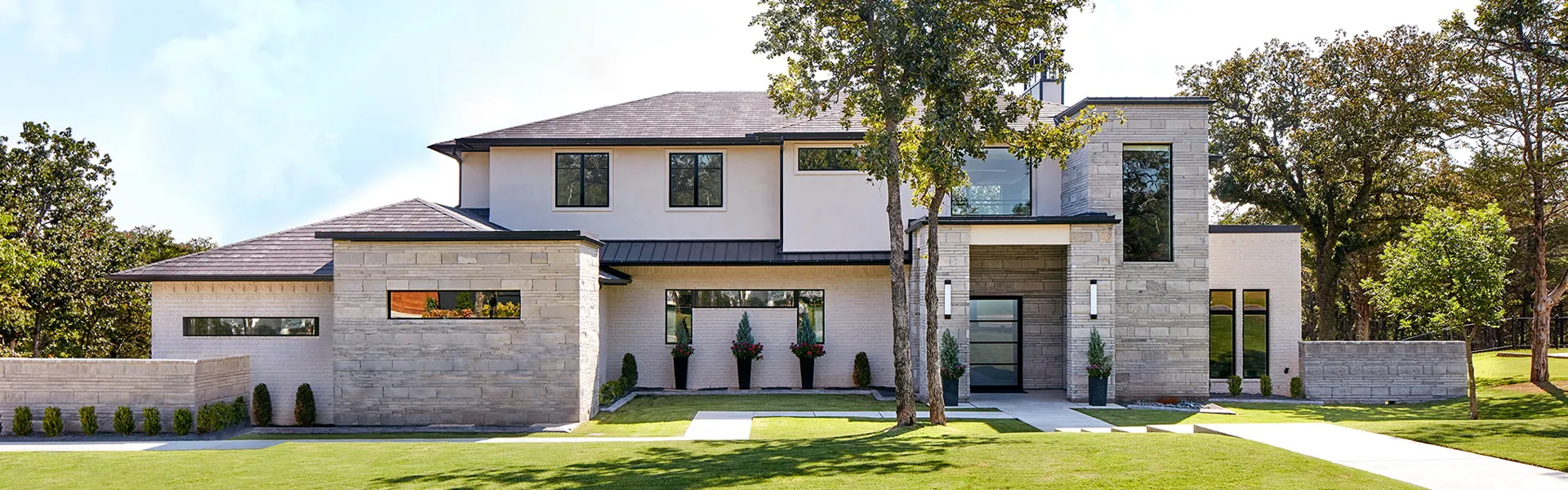
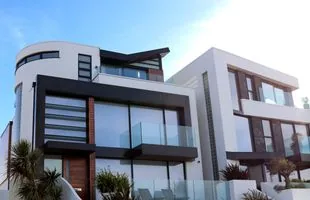
The aluminium frame gets most of the attention when people talk about windows, but the glass specification is what actually determines how a window performs, how much heat it lets in, how much noise it blocks, and how safe it is if it breaks. Diamond Step® fabricates aluminium-framed glass windows across the UAE, and the glass itself is chosen opening by opening, not applied as one default product across a whole building.
What Types of Glass Are Used in UAE Windows
Most aluminium-framed windows in the UAE use one of four glass types, or a combination of them. Clear toughened glass is the safety standard. It's heat-treated to break into small, blunt fragments rather than sharp shards if it fails. Double-glazed units use two panes with a sealed air gap between them, which reduces heat transfer compared with a single pane of the same glass.
Low-E (low-emissivity) coated glass adds a microscopically thin coating that reduces solar heat gain without darkening the glass. Acoustic double glazing uses a different pane thickness and interlayer specifically to cut sound transmission, rather than heat transfer, though it also improves thermal performance as a side effect. All glazing Diamond Step supplies meets Dubai Municipality's thermal performance requirements for residential and commercial buildings, and frames are fabricated in-house to the exact opening dimensions and powder-coated in any profile colour.
Choosing Glass by Orientation and Floor Height
The right glass for a window depends heavily on where that window sits, not just what building it's in. An underspecified single-glazed unit on a west-facing wall can turn a room into a greenhouse by mid-afternoon in Dubai, while an overspecified unit on a shaded balcony adds no real benefit and simply costs more for no gain.
Floor height matters too. Larger picture windows on upper floors of towers (in areas like Downtown Dubai or Business Bay) need thicker glass rated for wind loads, and those wind loads increase with height, especially near the coast. This is why Diamond Step surveys every opening on site before recommending a glass specification, rather than defaulting to one standard product regardless of orientation or floor.
Low-E and Acoustic Glass
West and south-facing windows in villa communities catch the most direct afternoon sun and benefit most from Low-E coated double glazing, which cuts solar heat gain meaningfully compared with standard clear glass. The coating works year-round, so it doesn't need to be adjusted or maintained the way a shading device would.
For units fronting main roads (Sheikh Zayed Road being the obvious example) acoustic double glazing is available, and it meaningfully cuts traffic noise transmission through the glass. It's a different pane build to standard double glazing, so it's worth specifying explicitly for road-facing openings rather than assuming standard double glazing covers it.