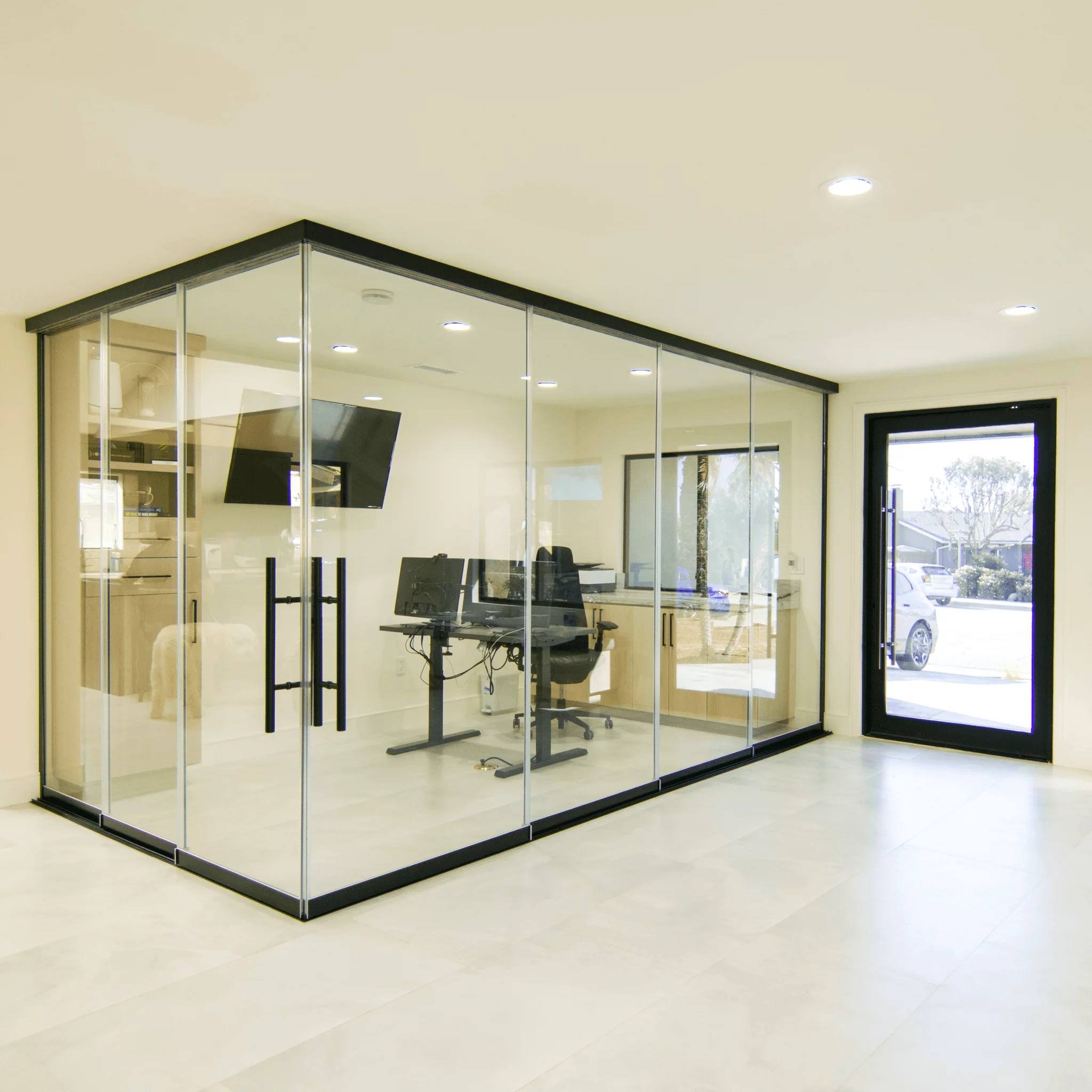
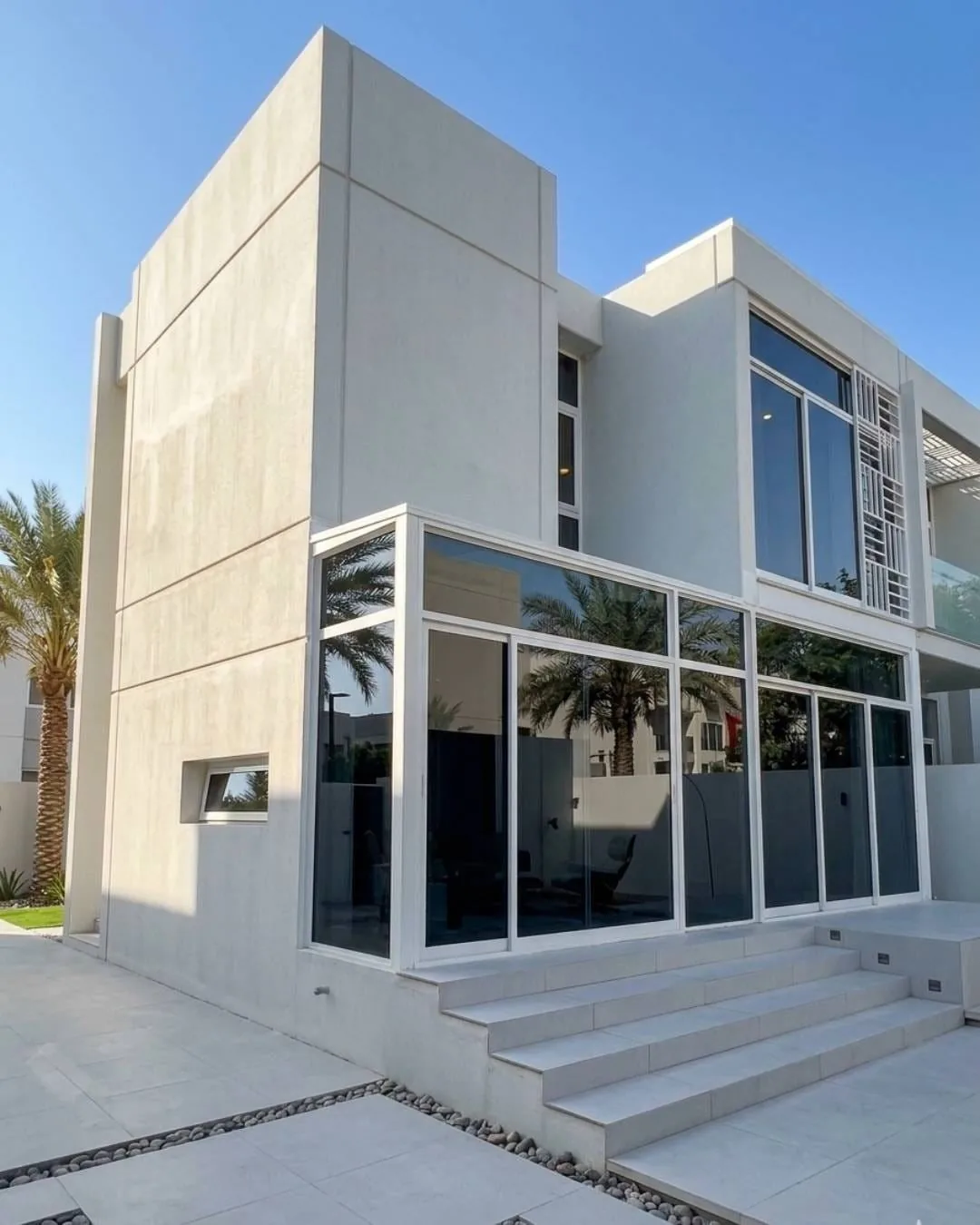
Yes. Glass partitions can be soundproofed using acoustic double glazing, which uses two panes of glass separated by an air gap to meaningfully cut sound transmission compared to a single sheet of glass. It won't match a solid masonry wall, but for offices, home offices, and clinic or consultation rooms, acoustic glazing gets close enough while keeping the light and openness a glass partition is chosen for in the first place.
How Acoustic Glass Partitions Actually Work
An acoustic double-glazed partition uses two panes of glass with an air gap between them, and (this is the detail that actually matters) the two panes are usually specified at different thicknesses rather than matching. Sound waves resonate differently through glass of different thickness, so mismatched panes reduce the frequencies that pass through cleanly instead of both panes reinforcing the same weak point.
The frame and seal matter as much as the glass itself. A well-specified acoustic pane installed into a poorly sealed frame loses much of its benefit, gaps around the perimeter let sound travel around the glass rather than through it.
Single-Glazed vs. Acoustic Double-Glazed
A single pane of glass still blocks some sound simply by being a solid barrier, but the reduction is modest next to acoustic double glazing. Single-glazed partitions make sense where the goal is visual separation and light transfer rather than acoustic privacy, a reception area facing a corridor, or a display partition in a retail fit-out.
Acoustic double-glazed partitions are the right call wherever confidential conversation, focus, or noise control genuinely matters: meeting rooms, private offices, consultation and clinic rooms, and home offices adjoining a living area.
Does Frameless Change the Calculation?
Frameless structural glass partitions (glass held with minimal visible framing, sometimes with a single fixed pane rather than double glazing) prioritise the clean architectural look over acoustic performance. If soundproofing and a frameless appearance both matter for a project, this is worth raising directly during the site visit, since the two goals pull in slightly different directions and the right compromise depends on the specific room.
The Junctions Are Where Acoustic Partitions Fail
This is the part that gets left out of most quotations, and it is the reason plenty of expensive acoustic partitions underperform. Sound does not only travel through glass. It travels around it.
The three usual escape routes are the head detail where the partition meets the ceiling, the floor junction, and the door. A partition sealed properly into a solid slab behaves very differently from one that stops at a suspended ceiling tile, because sound simply passes over the top through the ceiling void and back down the other side. That flanking path can undo the entire glazing specification, and no upgrade to the glass will fix it.
Doors are the other weak point. A glazed door in an acoustic partition needs perimeter seals and a drop seal at the threshold, otherwise the gap around it becomes the path of least resistance. A partition specified to a high standard with an unsealed door is not an acoustic partition, it is an expensive screen.
What to Ask For on the Quotation
Five lines that separate a real acoustic specification from a hopeful one:
- The glass build-up for each pane, written properly. Two panes of differing thickness outperform two identical panes, because they resonate at different frequencies.
- Whether an acoustic interlayer is included, rather than plain laminated glass. An acoustic PVB layer damps sound instead of only resisting it.
- The cavity width on a double glazed partition, and whether the two panes are the same thickness.
- The head detail. Does the partition seal to the structural slab, or stop at a suspended ceiling?
- Door seals. Perimeter seals and a threshold drop seal, or neither.
If a quotation does not answer those, the acoustic claim on it is decorative. The same logic applies to how the glass itself is written up, which our glass specification guide covers in full.